Vancouver produced Slack, Clio, and Hootsuite. We talked to local founders about what makes this city special, what's genuinely hard, and why, after all the fundraising trips to San Francisco, they kept coming home.
Vancouver's Startup DNA: From Flickr to Slack to Clio
Most people think of Vancouver as a film city, a real estate market, or a gateway to Whistler. Vancouver startup founders know it as something else entirely: the birthplace of some of the most consequential software companies of the last two decades.
Flickr launched here. Stewart Butterfield built what would become Slack in Vancouver before moving operations south. Hootsuite scaled to millions of users from an office in Gastown. Clio quietly became the dominant legal software platform in North America while staying rooted in Burnaby. AbCellera pioneered antibody discovery technology that played a direct role in COVID-19 treatments. Trulioo built a global identity verification network. Dapper Labs put blockchain-based digital ownership on the map with NBA Top Shot. Jane Software became the go-to practice management platform for thousands of wellness clinics across the continent.
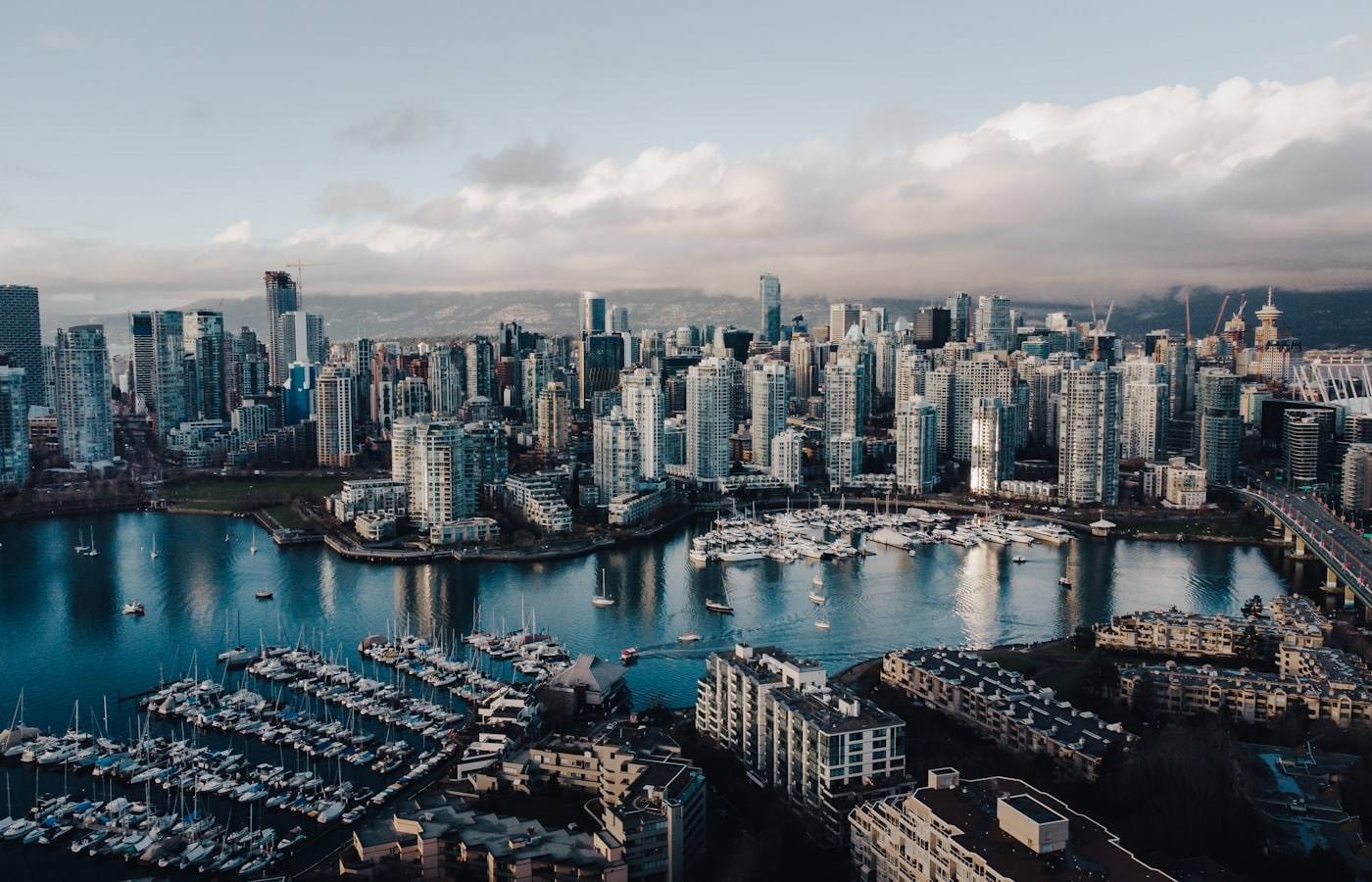
This is not a city that stumbled into tech. Starting a startup in Vancouver means joining an ecosystem with genuine depth, one built over thirty years of software, gaming, visual effects, and life sciences talent accumulating in the same 114-square-kilometre peninsula.
Why Founders Choose Vancouver
Ask a Vancouver founder why they stayed, and the answer rarely starts with tax incentives (though the SR&ED credits are significant). It usually starts with people.
UBC, SFU, and BCIT collectively graduate tens of thousands of engineers, data scientists, designers, and business analysts every year. Many of them want to stay. The result is a talent pipeline that punches well above the city's population weight. For early-stage founders, that means competitive hiring without competing against the salaries Google and Amazon pay in Seattle or San Francisco.
Geography is another underrated advantage. Vancouver sits in the Pacific time zone, giving founders a natural four-to-five hour overlap with New York and Boston while maintaining easy morning alignment with San Francisco and Los Angeles. For startups selling into the US market (which is most of them), the time zone math works out better than founders in Toronto or Montreal often realize.
There is also the Asia Pacific angle. Vancouver's substantial Chinese, South Asian, Korean, and Japanese communities create natural connections to markets that many US-based startups struggle to access. Several vancouver tech companies have used those cultural and linguistic ties to open doors in Asia years ahead of their competitors.
The Real Challenges of Starting a Startup in Vancouver
No founder who has been through it pretends the challenges are trivial. The two most common complaints are the VC market and the "lifestyle city" stigma, and both are real.
The venture capital ecosystem in Vancouver is meaningfully smaller than in San Francisco, New York, or even Toronto. There are active funds (BCIC, Yaletown Partners, Luge Capital, and a growing number of family offices), but a founder raising a Series A of $15 million or more will almost certainly need to fly south. That is not a dealbreaker, but it does mean Vancouver founders spend more time on planes than their Bay Area counterparts.
The lifestyle stigma is subtler but arguably more corrosive. The narrative goes: Vancouver is too beautiful, too comfortable, too focused on mountains and ocean to produce truly hungry founders. Serious investors, the story continues, want founders in the grind of San Francisco, not founders who ski on Tuesdays.
The founders who have built lasting vancouver tech companies tend to treat this narrative as a chip on the shoulder rather than an obstacle. They have learned to lead with product traction and customer revenue, letting the numbers speak before the geography becomes a conversation.
Cost of living adds a third dimension. Vancouver is one of the most expensive cities in Canada. Early-stage founders stretching pre-seed runway feel that acutely, both personally and in the salaries they need to offer competitive engineers who are choosing between a startup offer and a wage from a major tech employer.
The Vancouver Advantage: What the Numbers Miss
Here is what the pessimists get wrong: the Vancouver startup community is exceptionally tight-knit, and that is a structural advantage that is hard to quantify but easy to feel.
In San Francisco, a founder asking for an introduction to an investor or a customer is often navigating a web of competitive signaling and reputational game theory. In Vancouver, the answer is more often just yes. Founders introduce each other to investors. CTOs share candid hiring advice. CEOs of mid-stage companies take coffee meetings with people who are just getting started.
The community is collaborative in a way that scales. Clio and Hootsuite alumni have gone on to found and fund dozens of the city's most promising new companies. AbCellera's success in life sciences has drawn serious institutional capital and talent to a sector that barely existed in Vancouver a decade ago.
That compounding effect, success breeding the conditions for more success, is what separates a real startup ecosystem from a collection of companies that happen to share a zip code. Vancouver startup founders are increasingly building on each other's foundations.
Where the Community Actually Lives
If you are new to the Vancouver tech scene, the geography matters. The community does not spread itself evenly across the city.
Gastown is the spiritual heart of the startup scene. The neighbourhood's converted warehouses house co-working spaces, design agencies, and early-stage tech companies within a few blocks of each other. Unplanned collisions happen constantly, which is exactly the point. Railtown, just east of Gastown, has absorbed the overflow: studios, production companies, and software teams that wanted the same creative density at slightly lower rents.
Main Street runs south from Mount Pleasant and has become the preferred neighbourhood for founders who want proximity to the community without the tourist density of downtown. The coffee shops along the corridor (49th Parallel, Matchstick, Prototype) function as informal satellite offices where pitches happen alongside pour-overs.
The office culture in Vancouver leans toward the informal. The stereotype of the San Francisco all-nighter does not quite fit here. A Vancouver founder is more likely to block out a morning for a ski run at Cypress or a run on the seawall, then come back to a full afternoon of deep work. Most founders who have tried it report that the rhythm is surprisingly productive. Physical activity and genuine mental breaks are not liabilities; they tend to make the hours at the desk sharper.
Why Community Matters More in a Smaller Ecosystem
Every startup city talks about community. Vancouver founders mean it differently, because the stakes of isolation are higher in a smaller market.
A founder who retreats into their own company in San Francisco can still pick up signal from the density of people around them: at events, at restaurants, in shared buildings. In Vancouver, that ambient information is less available. Staying connected to the network requires more intentional effort.
The founders who build the best companies here consistently cite peer relationships as a primary resource: people who have been through the same specific challenges of fundraising from afar, hiring in a competitive local market, and building a brand that resonates in the US without losing the Canadian identity that made the company trustworthy.
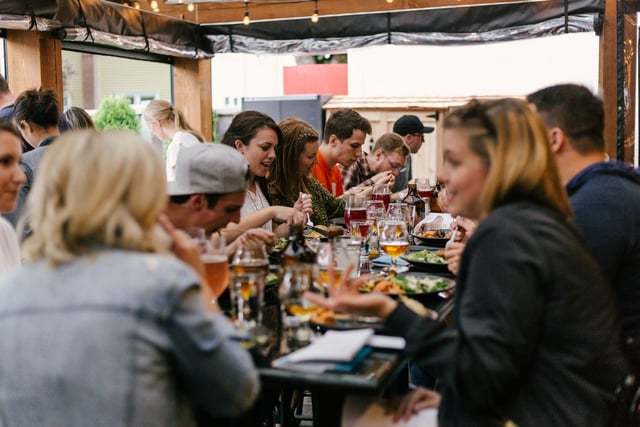
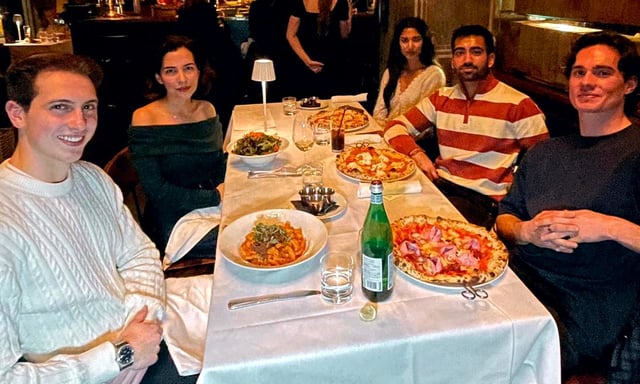
That is why the dinners, the meetups, the shared meals, and the informal introductions matter so much. They are not networking in the transactional sense. They are how the ecosystem actually transmits knowledge and keeps founders honest about what is working and what is not.
Key Takeaways for Vancouver Founders
Frequently Asked Questions
Is Vancouver a good city to start a startup?
Yes, with a clear understanding of the tradeoffs. Vancouver offers strong technical talent from world-class universities, a collaborative and non-cutthroat founder community, favourable time zone overlap with US markets, and a track record of producing globally successful companies. The main challenges are a smaller local VC market and a high cost of living relative to other Canadian cities.
What are the most well-known vancouver tech companies?
Slack (originally built in Vancouver before relocating), Hootsuite, Clio, AbCellera, Trulioo, Dapper Labs, Jane Software, and Visier are among the most recognized. The gaming sector, led by companies like Bardel Entertainment and Finger Food Studios, adds significant technical depth to the regional talent pool.
How does starting a startup in Vancouver compare to Toronto?
Toronto has a larger and more mature VC ecosystem, a bigger financial services sector to sell into, and a higher density of Fortune 500 enterprise customers. Vancouver has stronger Pacific Rim connections, a slightly lower-pressure competitive environment, and a quality of life that many founders find genuinely sustainable for the long haul. The two cities are increasingly complementary rather than competitive.
Where do vancouver startup founders network and meet?
Gastown co-working spaces, Railtown studios, and Main Street cafes are the informal centres of gravity. Organized events include Vancouver Startup Week, various VC-hosted dinners, accelerator demo days at Creative Destruction Lab and Launchpad, and community dinners like the ones Founder Feast hosts specifically for ambitious local founders.
Join Vancouver's Most Ambitious Founders at the Table
Founder Feast brings together Vancouver startup founders for intimate dinners built around real conversations. No panels, no pitches, no networking theatre. Just ambitious people sharing honest lessons over a good meal.
Applications reviewed on a rolling basis. Spots are limited by design.
FF
Founder Feast Editorial
Written by the Founder Feast team based on conversations with active Vancouver startup founders. Founder Feast hosts curated founder dinners in Vancouver, San Francisco and Los Angeles.