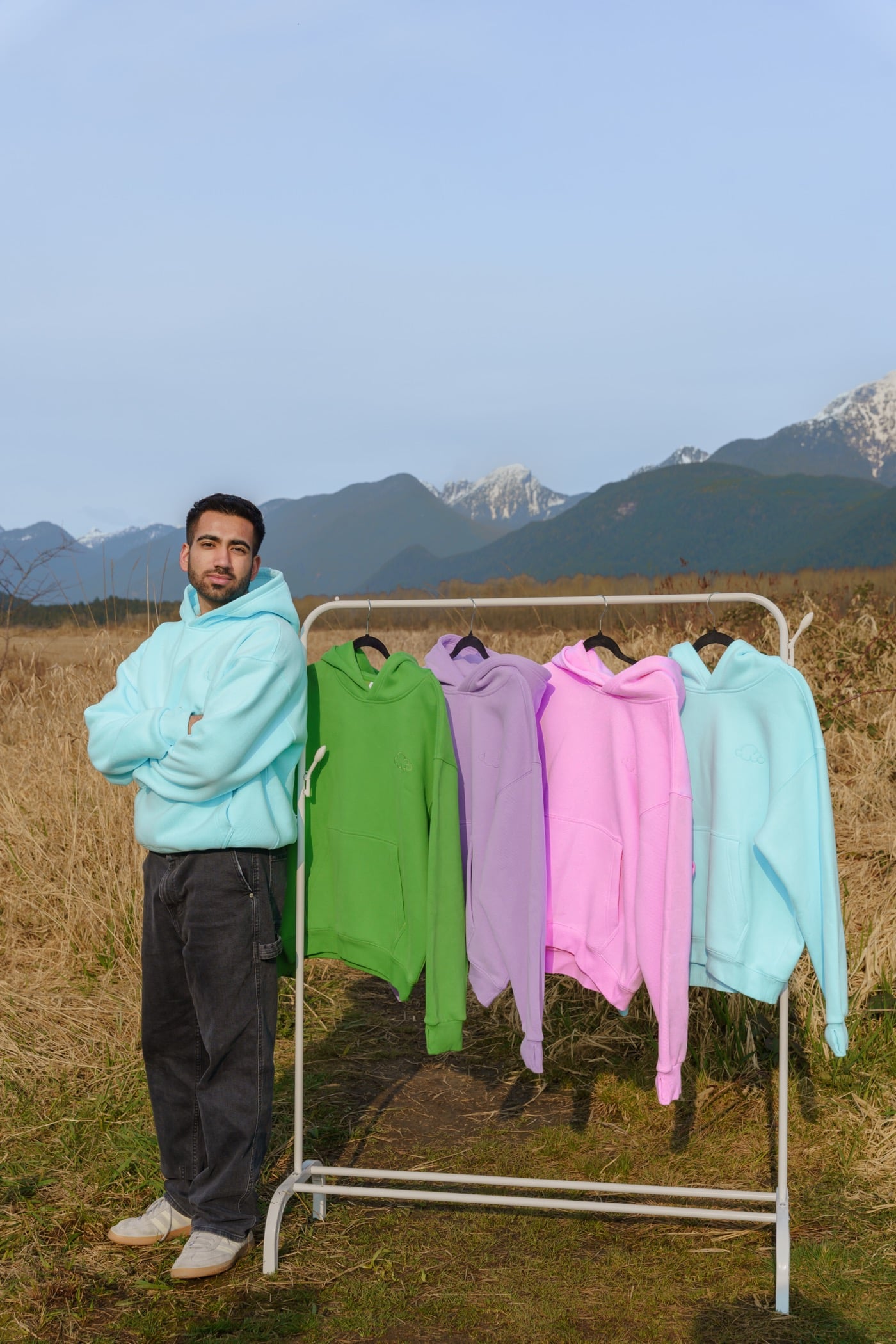

Vansh Sobti is 22 years old. His company, Cloud Nine Clothing, just crossed $10 million in revenue. He started it with $5,000 in savings, over 100 manufacturer rejections, and prototypes sewn from his mom's old hoodies. This is how he got here.
The idea
It started as a university assignment. The brief was simple: combine two existing products into one. Vansh pitched a hoodie with built-in stress balls. His project partner chose a different concept, and they moved on. But Vansh never forgot the idea.
A year later, in 2022, he came back to it. The name came from the phrase "I'm on cloud nine", that feeling of pure joy. He wanted customers to literally wear that feeling. And so Cloud Nine Clothing was born.
The problem was personal
Vansh has social anxiety. Stress balls helped him manage it, but pulling one out in public sometimes made the anxiety worse. He knew there had to be a way to build that relief into something you'd wear every day, something that didn't draw attention.
The idea wasn't just about hoodies. After launching, Vansh realized anxiety is just one part of a much broader spectrum. Some people need texture. Others need sound or something to bite. Cloud Nine is now expanding into sensory apparel that addresses all kinds of stimuli, not just what Vansh personally experiences.
Building the product
The first prototypes were scrappy. Vansh was cutting up old hoodies from his mom's closet and sewing different ideas together by hand. His mom helped with the early stitching. He had no background in fashion or manufacturing. He was learning everything from scratch.
Manufacturing was the hardest part. No manufacturer wanted to take on a product this unconventional. Vansh contacted over 100 manufacturers before one finally agreed to work with him. That persistence (hearing "no" a hundred times and still believing) became the foundation of everything that followed.
Year one
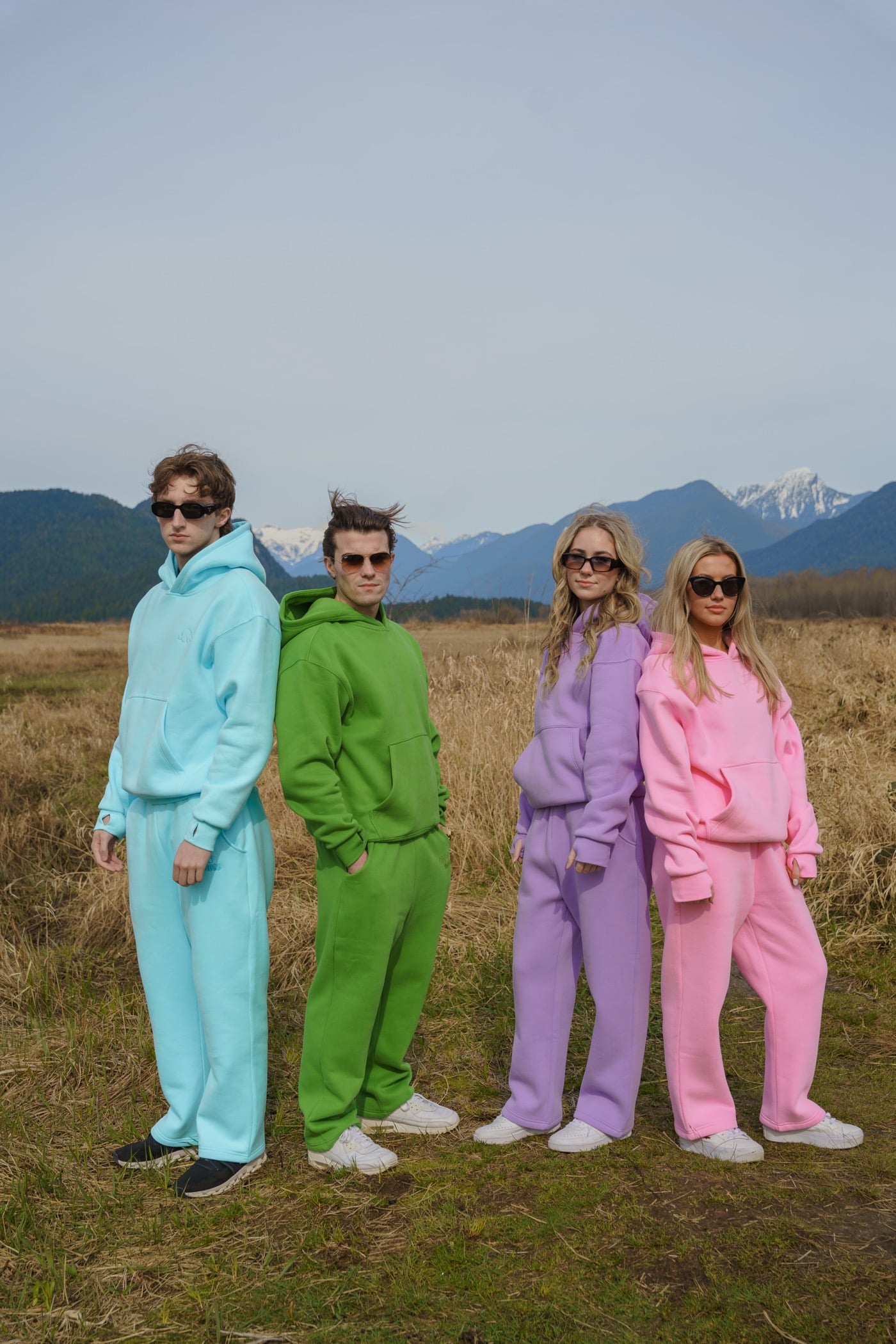
The first three months were, in Vansh's words, "horrible." Bills were piling up, inventory costs were climbing, ads weren't converting, and nothing seemed to gain traction. Every day made him question everything.
So he did the only thing he could: he posted five videos a day on social media, every single day, by himself. It was exhausting and overwhelming, but it was free. The first year, Cloud Nine did about $100,000 in revenue, but ended roughly $10,000 in the red. Growth was inconsistent. The brand's sustainability was genuinely in question.
Meanwhile, Vansh was a full-time university student. And under pressure from his parents to have something stable as a backup, he was simultaneously studying for his mortgage broker's license. Three commitments at once. He'd work on Cloud Nine during lectures, finish business tasks after class, and study for exams late at night. Socializing mostly stopped.
The $10M year
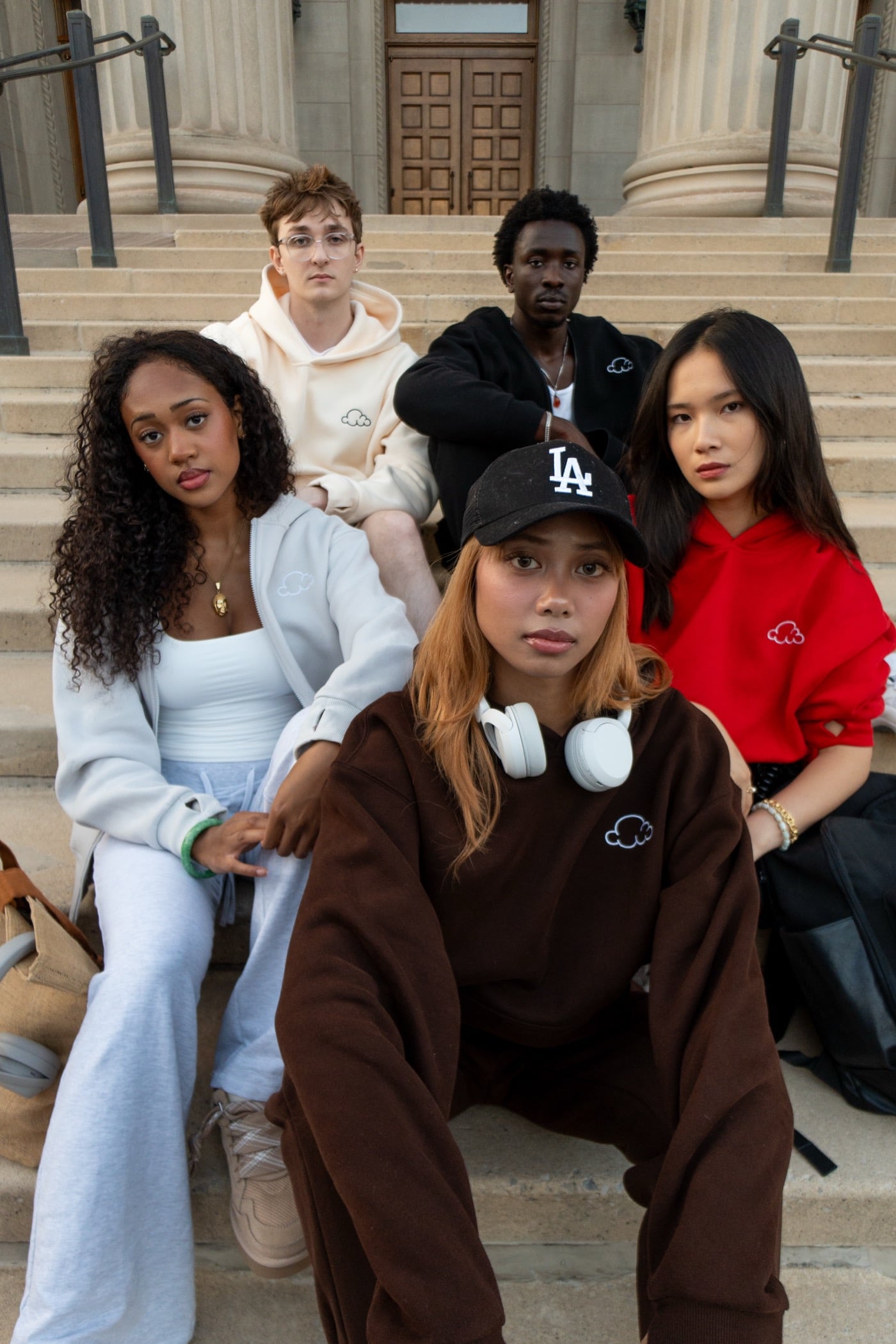
Year two brought $500,000 in revenue. Not profitable yet, but no longer in the red: the brand was breaking even. Then 2025 happened. Cloud Nine did $10 million in revenue and sold over 100,000 hoodies.
When asked what hitting $10M felt like, Vansh's answer is surprising: "It almost felt the same as when we were doing $100,000." He'd been living with the vision for so long, believing in it so deeply, that the milestone didn't feel like a dramatic shift. It felt like he was just continuing the same day he'd been living for years.
Impact & recognition
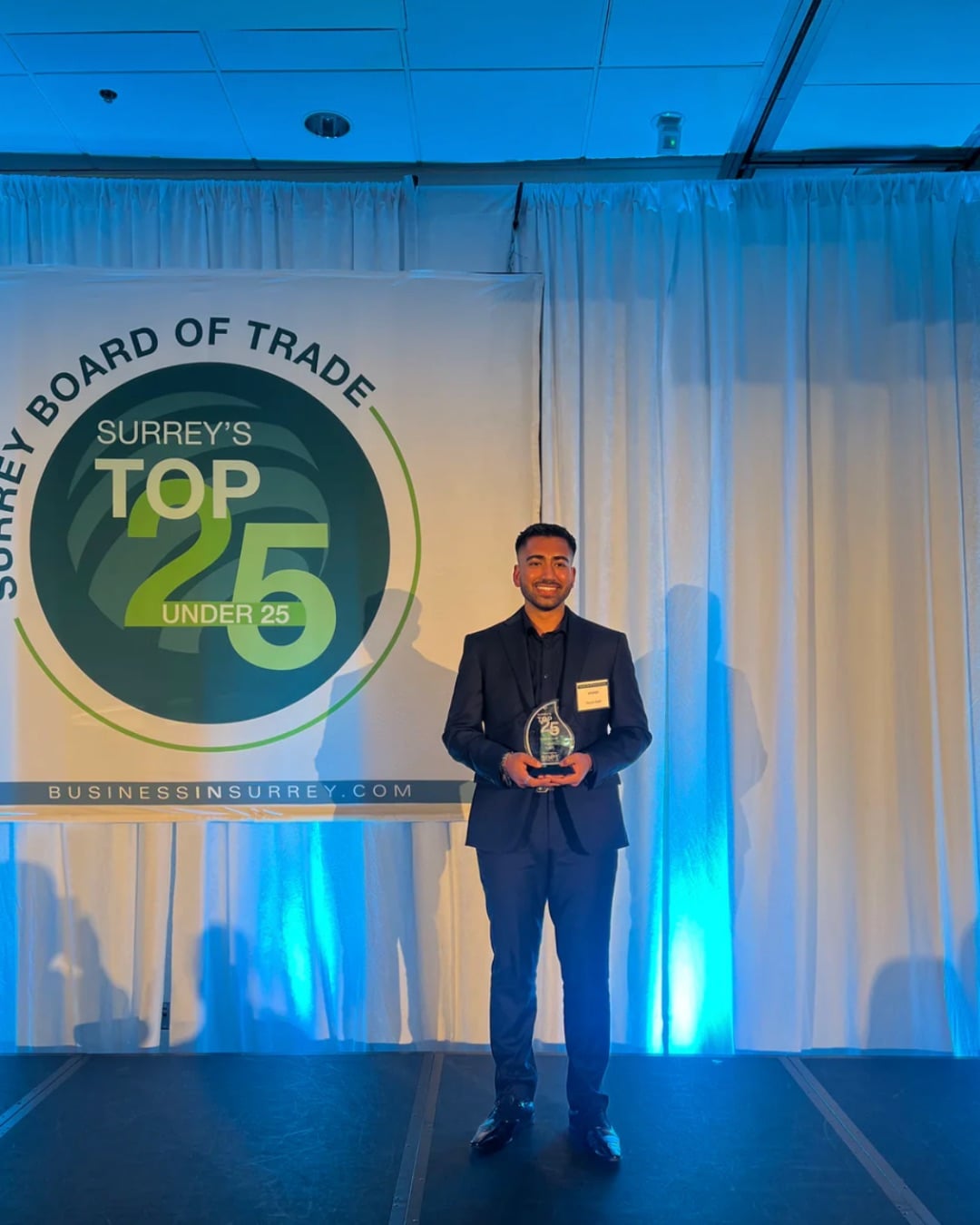
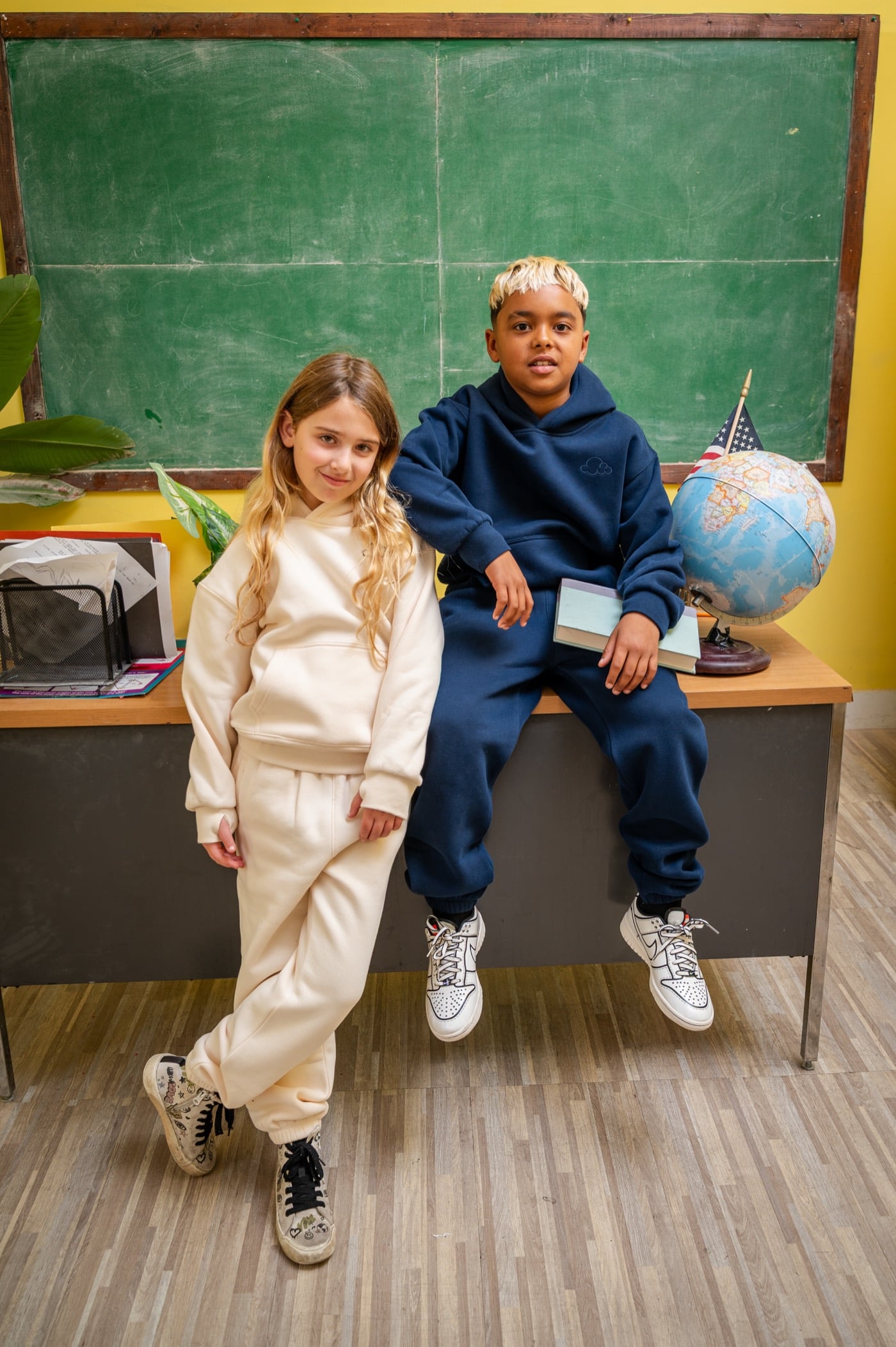
What started as one founder's personal struggle has become something much bigger. Cloud Nine isn't just selling hoodies. It's building a new category of sensory apparel. The brand has resonated with people across the spectrum of anxiety, ADHD, and sensory needs, and Vansh is now developing products that incorporate different types of stimuli beyond what he personally experiences.
Vansh's entrepreneurial instinct didn't start with Cloud Nine. At 16, he was running dropshipping stores and white-label brands, making $100,000 from a store called Space Lights before he could even drive. That early exposure to real money at a young age shaped his perspective: "Money started to be a fictional thing. All my business ventures were never about the money aspect. It's more so because I actually enjoyed doing it."
What people overlook
Building a product for anxiety as a young man came with its own friction. Vansh didn't broadcast what he was working on. A lot of his friends didn't even know he was running a company. When classmates saw him working on Cloud Nine during lectures, he'd explain it matter-of-factly. He wasn't building the brand to flex. He was building it because he saw a genuine gap in the market.
Some people told him it would never work. One person said people buy clothing for how it looks, not functionality, and called his designs ugly because they were plain. Vansh kept going.
That's the part of the story that matters most. Not the $10M headline, but the hundreds of quiet days where nothing was working and he chose to keep building anyway. If you're a founder in that phase right now, Vansh's story is proof that the vision can be worth the grind.
Founder Feast spotlights entrepreneurs who are building something real. If you're a founder in Vancouver looking for your people, consider joining a Founder Feast dinner. And if you're shipping a brand like Cloud Nine, your landing page does the heavy lifting. WebLaunch builds the kind of conversion-focused Canadian web design that turns a story into orders. *