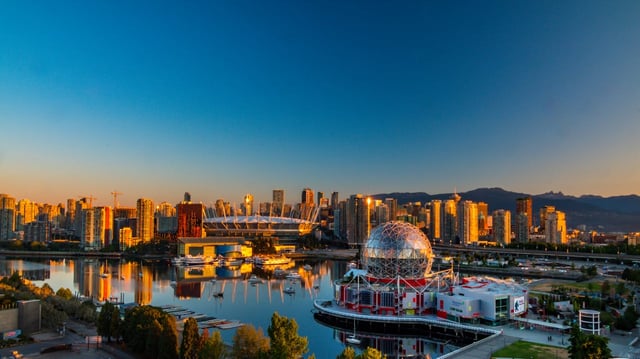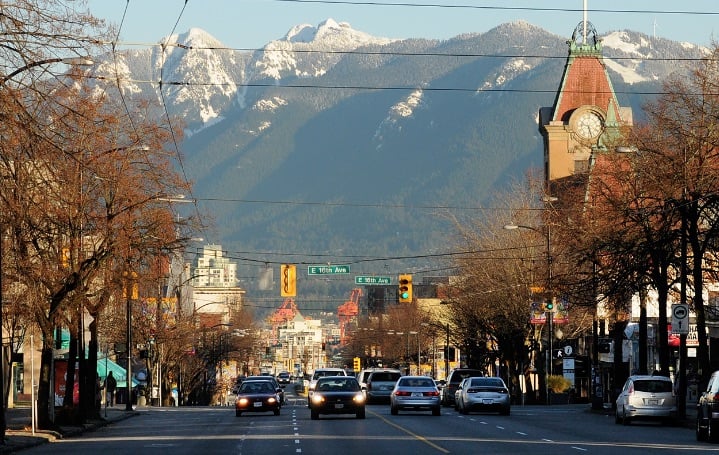
City planners have taken to calling it "Mount Pixel." Walk through the neighborhood on any weekday and you understand why: the streets between 4th and 7th Avenue are lined with the kind of companies that used to require a San Francisco address. Hootsuite, Relic Entertainment, DHX Media. Software, games, and animation under one industrial canopy. And a few blocks south, on Main Street, something equally remarkable happened: one of the most concentrated stretches of serious restaurants in Canada quietly assembled itself alongside all those startups.
The convergence is not accidental. Mount Pleasant has always attracted the kind of people who want to build something: first brewers, then manufacturers, now founders and creative directors. The neighborhood's instinct toward craft and output shows up in its restaurants as much as its office buildings. If you work in tech and you eat well, there's a reasonable chance Mount Pleasant is already part of your week. This is a guide to making the most of it.
How a former industrial zone became a tech district
The story starts with beer. Brewery Creek, along the western edge of what is now Mount Pleasant, was Vancouver's first industrial corridor. From 1888 to 1912, it housed the city's major breweries, fed by the spring water running off Little Mountain. Streetcars arrived in 1890, connecting the neighborhood to downtown, and a working-class community built itself around the industry. The breweries eventually shuttered, the manufacturing diversified, and for decades the area sat in an in-between state, too industrial for residential, too gritty for retail.
Two zoning decisions changed everything. In 2013, the City of Vancouver redesignated much of the area under I-1 Light Industrial rules that encouraged adaptive reuse. In 2017, the city expanded those rules further to explicitly welcome digital and creative industries and, pointedly, craft breweries. The combination proved irresistible. Companies that had been priced out of downtown started moving into the old warehouse blocks. Relic Entertainment, the SEGA-owned studio behind the Company of Heroes franchise, relocated from Burnaby in 2019, taking 47,000 square feet at 285 W. 5th Ave. DHX Media occupies 75,000 square feet at 380 W. 5th Ave, with 700 visual artists under one roof. Hootsuite's second headquarters at 111 E. 5th Ave adds another 27,000 square feet of social media infrastructure to the mix.
What makes the neighborhood work as a founder environment is the density of it. You can walk from your office to a Michelin-starred tasting menu in under ten minutes. That proximity matters more than it sounds.
The Michelin Mile: what happened to Main Street
Main Street earned its unofficial designation as the "Michelin Mile" the way most good things happen in Vancouver: gradually, then all at once. A handful of serious chefs chose the neighborhood because the rents were still manageable and the clientele was curious. Word spread. The Michelin Guide, which began covering Vancouver in 2022, confirmed what regulars already knew. Suddenly, a stretch of road that most people associated with vintage shops and coffee had become one of the more interesting dining corridors in North America.
The restaurants on Main Street are not trying to be downtown. They have a directness to them, a willingness to take positions, that fits the neighborhood's character. The chefs here tend to be proprietors who have made deliberate choices about where they want to cook and who they want to cook for. That intentionality shows up in the food and in the rooms they've built. For founder dinners, these qualities are exactly what you want: places that have a point of view, that reward attention, and that generate the kind of shared experience that makes conversations easier.
Burdock & Co: the tasting menu that earns its two and a half hours
Andrea Carlson opened Burdock & Co on Main Street with a specific philosophy: the menu would follow the moon. Not metaphorically: the restaurant's "Moon Menus" shift with the lunar cycle, reflecting what's actually ready in the fields and waters the kitchen sources from. When the Michelin Guide awarded the restaurant a star in 2022, it became the first female-owned and operated Michelin-starred restaurant in Canada. That milestone matters, but it's secondary to what actually happens when you sit down.
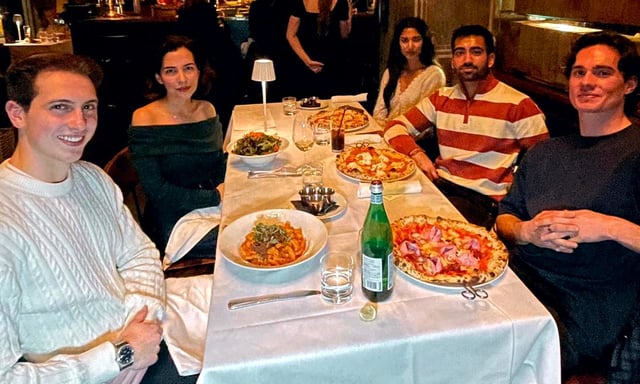
A dinner at Burdock & Co runs about two and a half hours. Some founders hear that and reach for their phone to check the time. By the third course, they've put it away. The hyper-seasonal tasting format means that every dish arrives with a story: where it came from, who grew it, why it's on the menu right now and not a month from now. That kind of specificity changes the pace of a dinner. It gives a table of five people something to think about together rather than defaulting to pitch-mode or industry gossip. The restaurant accommodates groups up to 32, which makes it viable for larger events, but the format rewards smaller tables where the tasting menu can become a genuine group experience.
Published on Main: small plates, serious intent
Chef Gus Stieffenhofer-Brandson runs one of the more quietly ambitious restaurants in the city at 3593 Main St. Published on Main holds a Michelin star and operates with a format (around twenty intricately designed small plates) that turns dinner into a series of decisions. What do you order next? Who shares what? It's a fundamentally social way to eat, which is part of why it works well for founders who want the meal to do some of the relational work.
The space is bright and intimate, with the kind of thoughtful minimalism that signals the kitchen takes precedence over the decor. Service runs Monday through Sunday from 5pm to 11pm, which gives you a late window if an afternoon standup runs long. What distinguishes Published on Main from other small-plates restaurants is the level of intention in each dish: these are not tapas in the casual sense, they're considered compositions that happen to be shareable. A table that works through the menu together tends to end the evening with a clearer sense of each other's taste and judgment, which is, quietly, useful information for anyone thinking about working with someone.
ELEM: the newest voice in the neighborhood
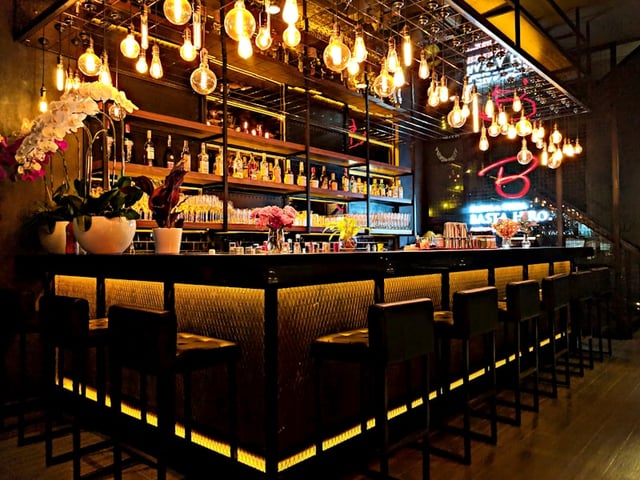
ELEM opened in November 2024 at 2110 Main St, and its arrival filled a specific gap in the neighborhood: a large, energetic room that could handle groups without losing the sense that the food was the point. Chef Vish Mayekar, a Top Chef Canada alumnus, built the restaurant around bold global dishes that draw from multiple culinary traditions without leaning on any single one. The 2,946-square-foot space holds 76 seats across three distinct dining areas, with an open kitchen running along one wall.
ELEM has earned a MICHELIN Recommended designation in a short amount of time, which is a meaningful signal for a restaurant that has been open less than two years. What Mayekar is doing with the menu (confident global combinations that feel earned rather than forced) resonates with the neighborhood's creative industries crowd. The open kitchen keeps the energy visible: you can watch the brigade work through service while you talk, and there's something grounding about that transparency. For a founder dinner with a larger group, ELEM's capacity and layout give you room to breathe while the food keeps the evening interesting.
Why Mount Pleasant produces a different kind of founder dinner
There is a version of a founder dinner that happens in a private dining room in a hotel, with a prix-fixe menu and a moderator. Those dinners have their place. Mount Pleasant produces something different. The neighborhood's restaurants were not built for that format. They were built by people who care intensely about what they're doing and want to work with people who feel the same way. That energy transfers to the table.
When you have dinner in a room that holds a Michelin star because a chef has spent years developing relationships with specific farmers and foragers, the conversation around the table tends to shift toward things that actually matter: what you're building, why you're building it, what you've gotten wrong. The 160-plus murals that cover the neighborhood's exterior walls give you something to look at on the walk over, a reminder that this is a place where people put their work into public view. Founders operating in that environment tend to show up a little less guarded, a little more willing to be honest. Which is, ultimately, the precondition for any dinner worth attending.
Join the table
Mount Pleasant's combination of serious tech density and a Michelin-recognized restaurant strip makes it one of the most naturally productive founder dinner environments in Vancouver. If you're building a company and you want to spend an evening with four other founders at one of these restaurants, no pitches, no panels, just a great meal and honest conversation, apply for a Founder Feast dinner. We handle the curation and the reservation. You bring the ideas.