If you've been to a networking event in Vancouver, you know the drill. Room full of people. Awkward mingling. Business cards nobody follows up on. Founder Feast is the opposite of that. Here's exactly how.
Size: 5 people vs 200
Traditional events optimize for reach. More attendees means more potential connections. But more attendees also means more noise, more randomness, and less depth.
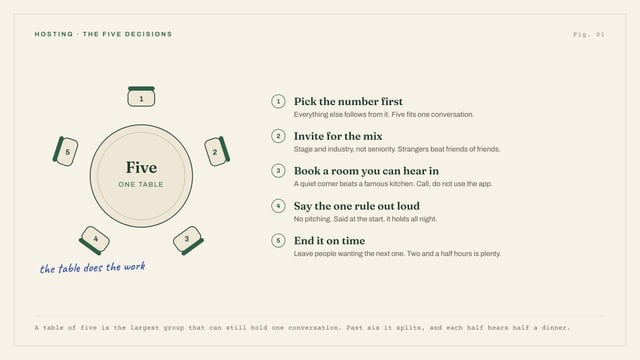
At Founder Feast, you meet 4 founders and actually get to know them. Not "I heard your 30-second pitch" know them. Know them as in: you understand what they're building, what's keeping them up at night, and what kind of person they are when they're not performing.
There's real research behind the number 5. Robin Dunbar's work on conversation groups found that people talking freely tend to cap a single conversation at around four before it splits into side chats. A table of 5 sits right at that edge. Everyone contributes. No one gets lost. And the intimacy that produces real trust becomes possible. We dig into this more in why we cap every table at 5 founders.
Curation vs randomness
Most events let anyone buy a ticket. At Founder Feast, a person reads every application.
We look at what you're building, your stage, your energy, and how you fit with the other founders already at the table. Then we match intentionally. You won't end up talking to someone trying to sell you marketing services. You won't get stuck next to someone who's clearly there to recruit, not connect.
Every person at a Founder Feast table has earned their seat. That shifts the entire dynamic before you even sit down.
Format: dinner vs standing with a drink
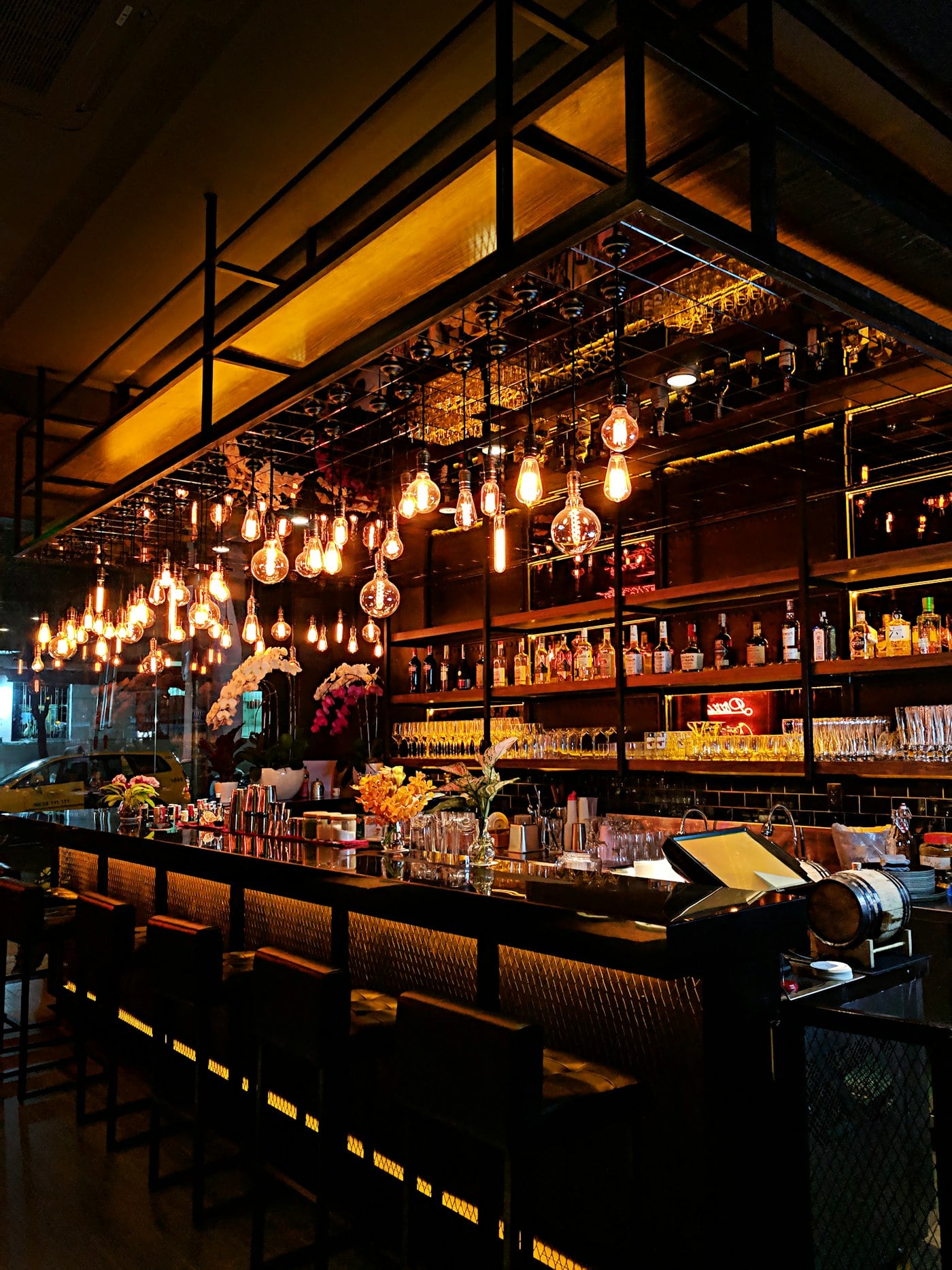
Standing in a loud room with a drink in your hand is optimized for surface-level exchanges. You have maybe 90 seconds before someone else pulls one of you away. There's no continuity, no momentum, no chance to go deeper.
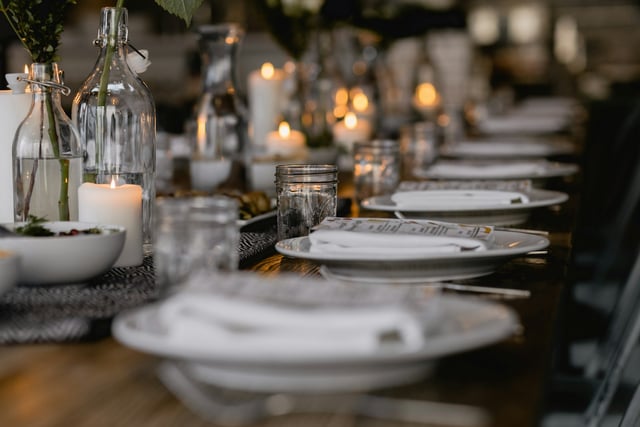
Sitting at a table over a 2 to 3 hour meal is optimized for real conversation. There's no rushing to the next person. You're there for the evening. The conversation builds on itself. By the time dessert arrives, you're talking about things you wouldn't mention to a stranger at a networking event.
We wrote a whole piece on why the dinner format works if you want the full breakdown.
Pitching vs real talk
At networking events, everyone's performing. Elevator pitches, LinkedIn bios read aloud, "so what do you do?" on repeat. The whole structure rewards polish over honesty.
At Founder Feast, the format naturally kills the pitch. Nobody wants to sit through a sales deck at dinner. By the second course, people are talking about what's actually hard. What's not working. What they need help with. Where they're second-guessing themselves.
That's the conversation that actually moves things forward. And it only happens when the setting makes it safe to drop the performance.
Follow-up: table chat vs LinkedIn request
After a networking event, you send LinkedIn requests that get ignored. Maybe a "great to meet you" message that goes nowhere. The connection fades because it was never real enough to sustain itself.
After a Founder Feast dinner, you keep talking in your table's chat in the app, with the 4 people you just spent the evening getting to know. The follow-up happens naturally because the connection is real. Someone shares an article. Someone asks for an intro. Someone celebrates a win. The chat stays alive because the relationship has context.
It's not magic. It's just what happens when you start with substance instead of a business card.
Cost: a $39.99 membership vs a $50 to $200 ticket
Most quality networking events in Vancouver charge $50 to $200 for a ticket. That's before you factor in drinks, parking, and the two hours you spent standing around.
Founder Feast is $39.99 CAD a month in Vancouver ($39.99 USD in San Francisco and Los Angeles), and that covers every dinner you book. You pay for your own meal separately at the restaurant, same as you would any dinner out. The price buys curation, not a crowd: every founder is application-reviewed and matched on stage and industry, so you spend the evening with four people actually worth knowing. One warm intro, hire, or investor connection from a table like that pays the month back many times over.
When networking events still make sense
Let's be honest: traditional events are great for certain things.
If you need to meet a high volume of people, build brand awareness in a specific community, or find customers at scale, events like Vancouver Startup Week and BC Tech Summit are worth attending. They serve a real purpose. Volume and visibility matter at certain stages.
Founder Feast is for the other thing: building a small circle of people who actually know you and care about your success. The kind of people you text when something goes wrong. The kind of people who make introductions without being asked because they genuinely want to help.
The two aren't in competition. They serve different needs. But if you've been doing events for a while and still feel like your network is shallow, that's the gap Founder Feast fills.
If you're tired of surface-level networking, try dinner
The formula is simple: fewer people, longer time, intentional curation, no pitching. Everything that makes traditional networking frustrating gets removed. Everything that makes real relationships possible gets added.
If that sounds like what you've been looking for, apply for a seat. Dinners run every other Thursday at 7pm in Vancouver, San Francisco and Los Angeles. It's a different experience from anything you've tried before.