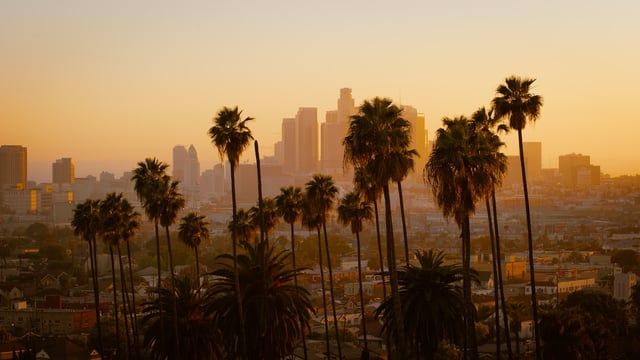
LA raised more venture capital than Boston in 2024 and is on pace to do it again in 2026. Most founders outside California still think of Silicon Beach as the Snap-and-Dollar-Shave-Club era. That version is gone. What replaced it is messier, more technical, and quietly eating share from the Bay in defense, aerospace, consumer AI, and vertical SaaS.
This is a field guide to 15 silicon beach startups worth watching in 2026, plus the neighborhoods they cluster in and what the funding picture actually looks like on the ground. If you're a founder scouting LA before a move, or trying to build a west-coast network without living in San Francisco, start here.
No puff pieces. Just who's building, where, and why it matters.
Where Silicon Beach actually lives in 2026
"Silicon Beach" is a marketing term that covers about 15 miles of coastline and inland pockets. The clustering is real, though, and it matters when you're picking an office or trying to run into the right people.
- Santa Monica and Venice: consumer, creator economy, media-tech, and the legacy Snap orbit. Abbot Kinney is still where you bump into early-stage founders on a Tuesday.
- Playa Vista: the "Silicon Beach" of the LA Times articles. Google, YouTube, Belkin. Heavier on mid-stage and corporate.
- El Segundo and Hawthorne: the new center of gravity. Hard tech, defense, aerospace, robotics. SpaceX pulled an entire ecosystem south.
- Culver City: streaming, AI tooling, Amazon Studios adjacency.
- DTLA and the Arts District: fintech, climate, a growing cluster of AI infra teams priced out of SF.
If you're comparing LA to other west-coast hubs, our breakdown of Cerebral Valley events and whether they're worth it is a useful contrast. LA's scene is more spread out and less event-dense, which changes how you network.
Defense and aerospace: the El Segundo wave
The most interesting shift in Silicon Beach startups is how much of the new money is going into hard tech south of LAX.
1. Anduril is technically headquartered in Costa Mesa but the El Segundo office and supplier base make it the anchor tenant of the whole defense cluster. The $1.5B Series F in 2024 at a $14B valuation pulled dozens of ex-employees into founder roles.
2. Hadrian is building autonomous precision machining factories for aerospace and defense parts. Series B closed at over $90M. Their Torrance facility is worth a tour if you're in the space.
3. True Anomaly does space security software and satellites. Raised $100M Series C in late 2024. El Segundo office, Colorado operations.
4. K2 Space is building large satellites that can carry 10x the payload of current designs. $50M+ Series A from Altimeter and Alpine. El Segundo HQ, aggressive hiring in 2026.
This cluster matters because it's pulling capital that used to default to the Bay. Founders Fund, General Catalyst, and a16z American Dynamism team are all flying down regularly.
Consumer AI and creator tools
Santa Monica and Venice still lead here. The talent pool is unusual because you get engineers who understand distribution, which is rare in SF.
5. Flo Health has its US team in Santa Monica. Already profitable with over 70M monthly users, which makes it the largest consumer health app most SF founders have never heard of.
6. Artisan builds AI sales reps ("Ava" is the one in the billboards). Series A in 2024, San Francisco HQ but a growing LA presence as they chase media buys and consumer-facing hiring.
7. ElevenLabs opened an LA office in 2025 to be closer to Hollywood dubbing and gaming studios. Not LA-born, but increasingly LA-based for their media business.
8. Captions (AI video for creators) grew out of New York but has a meaningful LA footprint for the same reason. $60M Series C from Index.
If you're a Canadian founder thinking about where to base US operations, this LA creator-AI cluster is a real alternative to the Bay. We covered the tradeoffs for Canadian founders moving to San Francisco and most of the logic applies in reverse for LA: cheaper rent, worse network density, better quality of life.
Climate and energy
LA has quietly become a climate-tech hub, helped by state incentives and proximity to the ports.
9. Terradot does enhanced rock weathering for carbon removal. Frontier commitments in the tens of millions. Palo Alto HQ with LA operations.
10. Crusoe moved significant infrastructure teams to LA in 2025 as they built out data center capacity for AI workloads. Not a pure LA story, but a growing one.
11. Antora Energy (thermal batteries) is Bay-based but has pilot deployments across SoCal. Worth tracking as the model scales.
12. Impulse Labs builds induction cooktops with built-in batteries. Series A led by Lux. San Francisco HQ, LA retail and distribution hires.
Fintech, SaaS, and the rest of the map
13. Mercury has a growing LA team as they expand beyond pure SF. For context on banking choices, our piece on the best Canadian bank for a seed-stage startup is the closest comparable breakdown north of the border.
14. Whatnot (live shopping) is now the largest consumer startup in Marina del Rey by headcount. Last round valued the company around $5B. If you want to see a Silicon Beach consumer company at scale, this is the one to study.
15. Fabric does headless commerce infrastructure. Series C at $140M. Bellevue roots but LA has become a major office.
That's 15. The list isn't exhaustive on purpose. Companies like Rad AI, Openstore, Scale AI's LA satellite, and a long tail of defense primes could easily make a second edition.
What the funding picture actually looks like
Two numbers worth knowing if you're pitching LA investors in 2026:
- LA metro pulled in roughly $18B in venture funding in 2024, per PitchBook. That's down from the 2021 peak but up from 2023 and holding steady into 2026.
- About 40% of that capital went to companies south of LAX, driven almost entirely by defense, aerospace, and AI infrastructure.
The active local funds are Upfront, Mucker, Fika, BAM, Crosscut, March Capital, and B Capital. The Bay funds with real LA presence now include a16z American Dynamism, Founders Fund, General Catalyst, and Lux. Angel density is lower than SF but higher than most people think. The ex-Snap, ex-SpaceX, ex-Riot angel pools are deep.
For comparison with other ecosystems, we've written about AI startups in Canada for 2026 and the BC startup ecosystem. The LA scene sits somewhere between those and the Bay in terms of capital availability but with more sector concentration.
How founders actually meet each other in LA
This is where LA is still weakest compared to SF. The city is spread out, traffic is real, and there's no Cerebral Valley equivalent where you can bump into 30 founders at one party.
What works:
- Small dinners. The high-signal move in LA is 5-8 people around a table, not 200-person mixers. The city's best networking happens at restaurants, not conferences.
- Neighborhood anchoring. Pick one of Santa Monica, El Segundo, or the Arts District and show up there consistently for three months. You'll know the scene.
- Office hours with local funds. Mucker, Fika, and BAM all run accessible office hours.
- One good conference per quarter: Upfront Summit, LA Tech Week, and the defense tech convenings in El Segundo.
Founder Feast runs curated dinners for five founders at top restaurants in Los Angeles, Vancouver, and San Francisco, every other Thursday at 7pm. No pitching at the table. Membership is $39.99/month USD in LA and covers the seat (you pay the restaurant for what you eat). If you're new to the city or scouting the scene, it's a low-lift way to meet four other founders without a 400-person badge event. Apply here and someone reads every application.
Common questions
Is Silicon Beach still a real thing or just a 2015 marketing term? Real, but the center of gravity moved. The consumer story is smaller than it was. The defense, aerospace, and AI-infrastructure story is bigger than most people outside LA realize.
Where should a founder live if they're moving to LA for tech? Depends on your sector. Consumer and media: Santa Monica or Venice. Hard tech or defense: El Segundo or Hermosa. AI infrastructure or climate: Culver City or the Arts District.
Is LA cheaper than San Francisco for a startup? Office rent is 20-40% lower depending on neighborhood. Senior engineering comp is close to parity. Housing is roughly comparable to SF proper but cheaper than the Peninsula. Taxes are the same (California).
How does the LA investor scene compare to the Bay for seed rounds? You can raise a seed in LA, but you'll likely want at least one Bay-area lead on your cap table for signal. Most LA seed rounds in 2026 include a mix of local funds plus one SF name.